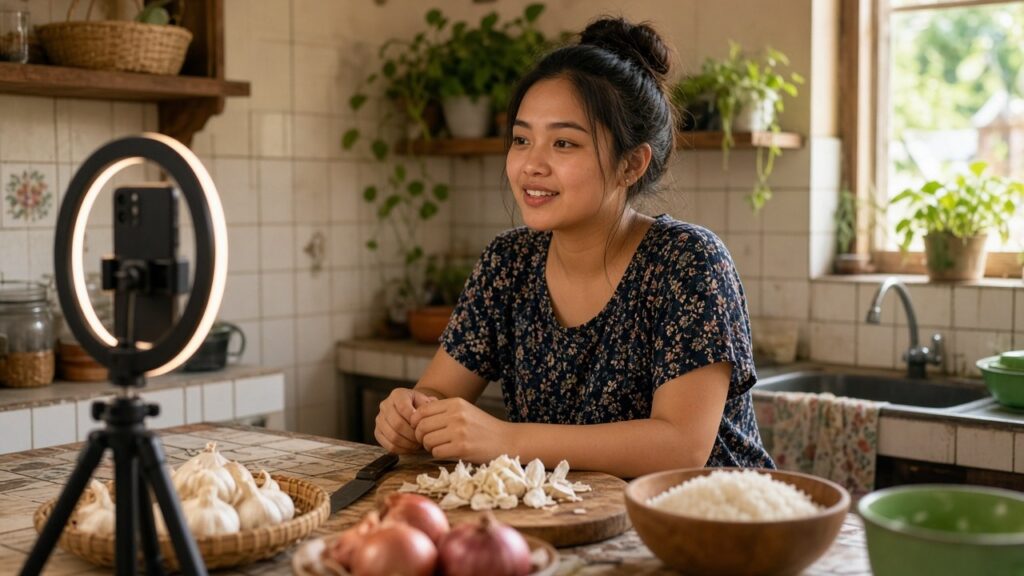
Many Filipinos dream of earning from YouTube. We see vloggers with big houses and brand deals, and it is easy to think one viral video can change everything. The truth is slower and less glamorous: most channels earn nothing for months, and some never reach monetization at all. But for people who enjoy making videos and can stay consistent, YouTube can become a real side income over time.
This guide explains how YouTube monetization in the Philippines actually works: the official requirements, how you get paid, what taxes apply, and realistic expectations so you can decide if it is worth your time.
What “monetized” really means
A channel is “monetized” when it is accepted into the YouTube Partner Program (YPP). Only then can you share in the revenue from ads shown on your videos and turn on other earning features. YouTube can show ads on any video, but according to YouTube’s own help page on YPP, creators who are not yet in the program do not receive a share of that ad revenue.
So the first goal is not “go viral.” It is to meet the YPP requirements while building a channel that follows YouTube’s rules.
The official YPP requirements
Based on YouTube’s YPP overview and eligibility page, you need to:
- Follow the YouTube channel monetization policies.
- Live in a country or region where YPP is available (the Philippines is included).
- Have no active Community Guidelines strikes on your channel.
- Turn on 2-Step Verification for your Google Account.
- Have advanced features access on YouTube.
- Have one active AdSense for YouTube account linked to your channel, or set one up in YouTube Studio.
You also need to reach one of these thresholds:
- 1,000 subscribers and 4,000 public watch hours on long-form videos in the last 12 months, or
- 1,000 subscribers and 10 million public Shorts views in the last 90 days.
Watch hours from Shorts, private, unlisted or deleted videos do not count toward the 4,000 hours. Reaching the threshold does not mean automatic approval either. YouTube reviews the whole channel, and the help page says a decision typically comes in about one month. If you are rejected, you can appeal within 21 days or reapply after 30 days.
YouTube also notes on the same page that updated YPP terms take effect on February 1, 2027, and existing partners need to review and accept them in YouTube Studio by January 31, 2027. Always check the official page for the latest rules before you plan around them.
How you earn once you are in
After acceptance, you choose which earning features to turn on in the Earn section of YouTube Studio. These include watch page ads, Shorts feed ads, channel memberships, and “Supers” (fans paying to highlight messages or show support). Each feature has its own terms you accept separately.
Outside YouTube itself, many creators also earn from:
- Brand sponsorships: a local business pays you to feature its product. Always disclose paid promotions to your viewers.
- Selling your own product or service: a cooking channel selling homemade ulam, a tutor offering paid sessions, a designer selling templates.
- Services built on your skill: editing videos for other creators, which is a skill your own channel trains.
For many small Filipino creators, these “outside” earnings start earlier and are more stable than ad revenue.
How you get paid in the Philippines
YouTube pays partners through AdSense for YouTube. According to Google AdSense’s payment thresholds page, for accounts reporting in U.S. dollars:
- You must verify your identity before you can receive payments, and verify your address once earnings reach US$10.
- You can choose a payment method once your balance reaches US$10.
- You are paid when your balance reaches US$100, as long as there are no holds on your account.
Most Filipino creators receive payouts by bank transfer to a local peso or dollar account. The exact payment options, bank charges and exchange rate depend on your bank, so ask your bank how it handles incoming foreign transfers and what it charges before your first payout.
U.S. tax info: do not skip this step
Even if you live in the Philippines, Google requires all monetizing creators to submit U.S. tax information in AdSense for YouTube. According to YouTube’s U.S. tax requirements page:
- Google may withhold U.S. tax on the portion of your earnings that comes from viewers in the U.S.
- For creators outside the U.S. who submit tax info, the withholding rate on U.S.-viewer earnings ranges from 0% to 30%, depending on whether a tax treaty applies.
- If you do not submit tax info, Google may withhold up to 24% of your total worldwide YouTube earnings (for individual accounts).
- Tax info should be submitted, and any treaty benefit claimed, by December 10 each year, and forms need to be resubmitted every few years.
Google says it cannot give tax advice, so ask a tax professional whether you can claim treaty benefits. The main lesson: submit your tax form as soon as you join YPP so you do not lose more than necessary.
Philippine taxes on YouTube income
The BIR treats content creators as businesses. Under Revenue Memorandum Circular No. 97-2021, social media influencers, including those earning from the YouTube Partner Program, sponsored posts, affiliate marketing and digital products, are classified as self-employed individuals, and their income is generally business income.
That means you are expected to:
- Register with the BIR (or update your registration if you are already registered as an employee).
- Keep books of accounts.
- File tax returns and pay income tax plus percentage tax or VAT, as applicable.
The same circular notes that self-employed individuals whose gross receipts do not exceed the ₱3,000,000 VAT threshold may opt for the 8% tax on gross receipts in excess of ₱250,000, in place of graduated income tax and percentage tax. We explain this in our guide to the BIR 8% tax option. The Department of Finance has also reported that the BIR investigated influencers for tax compliance, and the circular says free products received in exchange for promotion must be declared at fair market value.
If your earnings are still small, registering early is still the safer move, and it gives you official proof of income when you apply for loans or visas later.
Realistic expectations
We will not tell you how much you will earn, because nobody honestly can. YouTube earnings depend on your niche, where your viewers live, how long they watch, the season, and how many ads advertisers are buying. Two channels with the same views can earn very different amounts.
What is fairly predictable:
- It usually takes months. Reaching 1,000 subscribers and 4,000 watch hours is hard for most new channels.
- Consistency beats one viral video. YouTube may turn off monetization for channels that have not uploaded or posted for six months or more.
- Original content matters. Re-uploading other people’s videos, TV clips or music can get your channel rejected or struck.
- Expenses are real. Data, electricity, a decent phone, a mic and your time all have a cost. Track them, both to know your true profit and for taxes.
A simple starting plan
- Pick a niche you can talk about for 100 videos. Budget cooking, province life, tech tips in Taglish, exam reviews, small business tips. Passion helps you stay consistent.
- Start with what you have. A phone, natural window light and a quiet room are enough at first. Upgrade only once you are consistent.
- Set a realistic schedule. One good video a week is better than seven rushed ones followed by burnout.
- Turn on 2-Step Verification now. It is required for YPP and protects your channel from hackers.
- Keep your day job or main income. Treat YouTube as a side project until it pays consistently.
- Separate your earnings. When payouts start, move part of each one to a separate savings account for taxes and part to your emergency fund.
Watch out for “monetization” scams
Because many people want to get monetized fast, scammers sell shortcuts. Be careful with:
- Selling subscribers or watch hours. Fake engagement violates YouTube policies and can get your channel rejected or terminated.
- “Already monetized” channels for sale. Buying or selling channels is risky, and you may lose the money and the channel.
- Fake “YouTube” emails or messages asking for your password or a code. YouTube says Google will never send unsolicited messages asking for your password, and official emails come from @youtube.com or @google.com addresses.
- Courses promising guaranteed income. No one can guarantee YouTube earnings. Read our guide on how to spot money scams.
Bottom line
YouTube can be a real way to earn for Filipinos, but it is a long game. Reach the official YPP requirements with original content, set up AdSense and your U.S. tax info properly, register with the BIR, and treat early earnings as a bonus rather than your main income. If you enjoy creating and can stay consistent, the skills you build, from editing to storytelling, can pay off even beyond YouTube.
This article is general information only and not financial advice. Rates, rules and fees change, so please verify with the provider or the official agency before deciding.