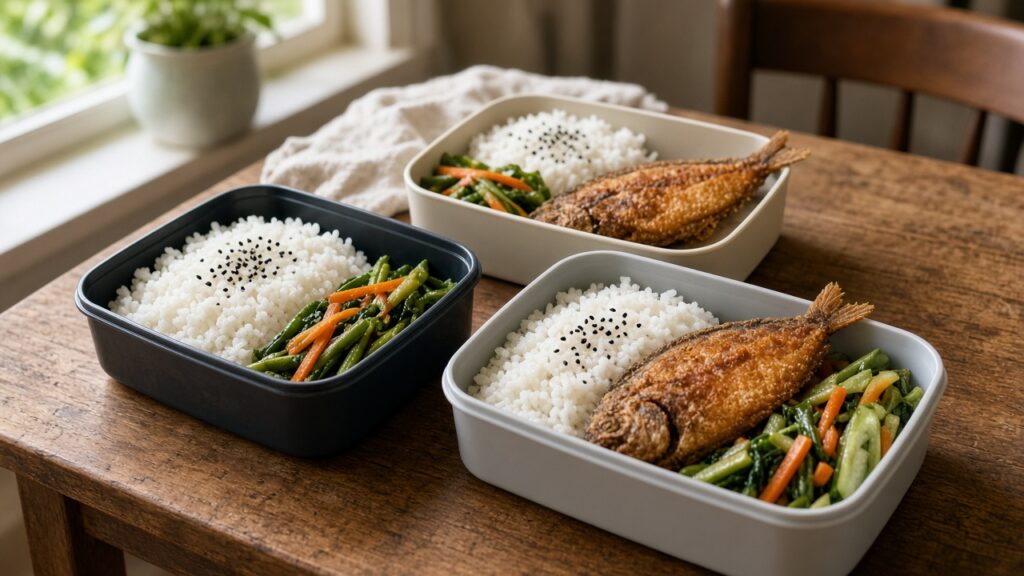
Ang baon ay hindi lang para sa estudyante. Whether you work in an office, a BPO or a construction site, the daily lunch purchase quietly eats a big part of your sahod. This guide shows how to count what you really spend on food outside, how simple meal prep (baon) can lower it, and how to do it without getting tired of the same ulam every day.
Why daily food purchases add up
A ₱120 lunch feels small. But if you buy one on every workday, that is about 22 days a month, or roughly ₱2,640. Add a ₱60 snack and a ₱50 milk tea or coffee and the number grows quickly. These figures are only an illustration, so replace them with your own prices.
The point is not to ban every treat. The point is to know the number, then decide on purpose where your pesos go.
Step 1: Track your food spending for one week
Before changing anything, write down every food and drink purchase for seven days. Use your notes app, a notebook, or the transaction history in your GCash or Maya wallet. Many people are surprised by the small buys: delivery fees, service charges, “add-ons” and that extra drink.
- Total your week and multiply by four for a rough monthly figure.
- Mark which purchases were truly needed and which were habit or boredom.
- Note how much was spent on delivery fees, which add cost without adding food.
Step 2: Compare a bought lunch with a baon
Here is a simple example using made-up prices. Check your own local palengke or supermarket prices, because they vary by area and change often.
- Bought lunch: ₱120 a day.
- Home-packed lunch of rice, a fried or adobo ulam and a vegetable side: perhaps ₱50 to ₱70 a day, depending on the ulam and your market.
- Possible difference: about ₱50 to ₱70 a day, or roughly ₱1,100 to ₱1,540 across 22 workdays.
That example is not a promise. If ulam prices go up, or you cook in small portions for one person, your savings will be lower. Still, you can compute your own gap in ten minutes.
Step 3: Start small with a realistic plan
Don’t try to pack lunch seven days a week from day one. People who go all-in often quit by the second week. Try this instead:
- Start with two or three baon days a week, such as Monday, Tuesday and Wednesday.
- Cook one extra portion at dinner and pack it the same night. This costs no extra time in the morning.
- Keep a “fallback” budget for days you run out of baon so you don’t feel guilty about buying lunch.
Step 4: Pick ulam that keep well and cost less
Some dishes taste fine when reheated or eaten at room temperature. Good everyday options include adobo, tortang talong, fried fish, ginisang gulay, pinakbet and nilagang baboy or manok. Vegetables like kangkong, sitaw, kalabasa and talong are usually budget-friendly when they are in season.
Buy in bulk only what you will actually finish. A cheap pack that spoils is not savings. Try to include some vegetables and a protein with your rice so you stay full through the afternoon.
Step 5: Plan a weekly menu and grocery list
Overspending often happens in the grocery, not at the carinderia. Spend ten minutes on a weekend to plan:
- Pick three or four ulam for the week and list the ingredients.
- Check what you already have at home before leaving.
- Set a peso limit for the grocery trip and stick to it, maybe using the cash envelope method.
- Reuse ingredients across dishes, such as using garlic, onion and tomato in several meals.
Food safety basics
Saving money should not cost you your health. Cool cooked food before closing the container, keep it away from heat, and eat it within a few hours unless you have a cooler bag or access to a fridge. Reheat thoroughly. When in doubt about a dish that sat out for a long time in the Philippine heat, throw it away.
Step 6: Put the savings somewhere visible
Savings that stay in your wallet tend to vanish. Each time you pack a baon, move the amount you would have spent into a separate pot. Moving ₱50 into a GCash GSave or Maya Savings account, or into a dedicated bank savings account, makes the habit feel real. Before choosing one, read about how to save with GCash GSave or Maya Savings and check the current rates and terms with the provider. If you are still building a safety net, our guide on building an emergency fund is a good next step. For more grocery ideas, see how to save on groceries.
Common mistakes to avoid
- Buying fancy containers first. Reuse old ice cream tubs or lunch boxes you already own.
- Cooking too much variety. Two or three repeating dishes are cheaper than seven new ones.
- Counting your time as zero. If cooking leaves you exhausted, scale back. A plan you can keep beats a perfect plan you drop.
- Skipping treats completely. Allow one planned treat a week to stay motivated.
What if you live alone or have no kitchen?
Not everyone can cook daily. If you rent a bedspace or a small room, try simple no-fuss options: a rice cooker with canned or pre-cooked ulam, boiled eggs, sandwiches, or splitting a grocery and cooking day with a trusted housemate or officemate. Even replacing a few bought meals a week with something simple from home can lower the total. Compare the cost per meal honestly, including gas or electricity, so you know whether it really saves you money.
Also consider the company pantry or office microwave, if there is one. Ask politely about the rules before bringing food that smells strong.
Quick action checklist
- Track your food spending for seven days.
- Compute your own bought-lunch cost versus baon cost.
- Choose two or three baon days to start with.
- Plan a simple weekly menu and grocery list.
- Move the savings into a separate account right away.
Small, boring habits are often what quietly change a budget. Packing baon will not make you rich, but it can free up some pesos each month for your emergency fund, utang payments or other goals.
This article is general information only and not financial advice. Rates, rules and fees change, so please verify with the provider or the official agency before deciding.